Smart Homes Start with Smart Electrical Planning
Smart home technology has moved from a novelty to a genuine quality-of-life upgrade for homeowners across Northwest Arkansas. Automated lighting, smart thermostats, whole-home audio, security systems, video doorbells, EV chargers with app control, and voice-activated devices are all increasingly common in NWA homes.
Most of these devices are straightforward to install. But the electrical system they rely on is not always ready for them. Smart home wiring basics are less about exotic new technology and more about making sure the fundamentals are in place so everything works reliably.
Whether you are building new, renovating, or just want to add smart devices to your existing home in Springdale, Fayetteville, Rogers, or Bentonville, this is what matters from an electrical standpoint.
The Foundation: Grounded Wiring Throughout
Most smart devices require a grounded outlet. Smart plugs, smart appliances, smart speakers, and control hubs all need a three-prong grounded outlet to operate safely. If your home has older two-prong ungrounded outlets, adding smart devices to those locations is either impossible or requires workarounds that are not always code-compliant.
Homes with modern copper wiring installed after the mid-1960s typically have grounded outlets throughout. Older homes may not. If your home has two-prong outlets in areas where you want to place smart devices, a licensed electrician can add grounding to those circuits or replace the outlets with GFCI-protected three-prong outlets where permitted by code.
The Neutral Wire Requirement for Smart Switches
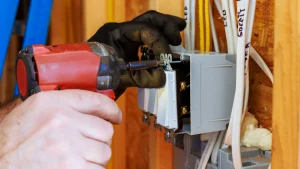
This is the most common surprise homeowners run into when installing smart light switches. Standard smart switches, including popular brands like Lutron Caseta, Leviton Decora Smart, and others, require a neutral wire at the switch location in addition to the hot and ground.
Older switch wiring in homes built before the 1990s often uses a two-wire method that does not bring a neutral to the switch box. Without the neutral, a standard smart switch cannot function.
There are workarounds. Some smart switch brands offer no-neutral versions that use a different technology to operate without the neutral wire. These work in most situations but have limitations with certain bulb types. Another option is to have an electrician run a neutral to the switch box, which is straightforward in some situations and more involved in others depending on the wiring path.
For homes being built or undergoing full renovation, specifying three-wire switch legs throughout is a simple way to ensure every switch location is smart-switch ready from day one.
Whole-Home Audio and Network Wiring
Wireless audio systems like Sonos work well in most homes without any additional wiring. But for higher-end audio installations, dedicated wiring for in-ceiling and in-wall speakers gives you cleaner sound and eliminates the signal interference that can affect wireless systems in homes with thick walls or metal framing.
Low-voltage wiring for audio, data, and security is a separate trade from electrical, but it often runs alongside electrical work during new construction or renovation. Coordinating the two trades at the same time minimizes wall opening and reduces labor costs.
Hard-wired ethernet connections are still more reliable than Wi-Fi for devices that need consistent bandwidth, including smart TVs, streaming devices, gaming consoles, and home security DVRs. If you are opening walls for any reason, adding ethernet runs to key locations is a worthwhile investment.
Dedicated Circuits for Smart Home Hubs and Equipment
Whole-home smart systems, security panels, and home automation controllers benefit from being on a dedicated circuit with surge protection. A power fluctuation or surge that trips a shared circuit can knock out your entire smart home system until someone resets it.
Whole-home surge protection, installed at the panel rather than through power strips, is one of the most cost-effective investments for any home with significant electronics and smart devices. A single surge event can damage multiple connected devices. A whole-home surge protector catches the surge before it reaches any of them.
Smart Panels and Energy Management
The newest development in smart home electrical is the smart panel itself. Products like the Span panel and similar offerings replace your standard circuit breaker panel with a system that gives you circuit-level control and monitoring from an app. You can see exactly how much power each circuit is drawing, turn circuits on and off remotely, and integrate with solar and battery storage systems.
Smart panels are not yet the norm, but they are gaining traction in NWA, particularly for homes adding solar, EV chargers, or battery backup. They represent the leading edge of what smart home wiring basics will look like in the coming decade.
A standard panel upgrade today does not prevent you from adding a smart panel later. If smart panel integration is something you are interested in, mention it to your electrician when planning any panel work so the infrastructure is compatible.
What to Do in a New Construction or Major Renovation
If you are building new or doing a major renovation, smart home wiring basics come down to a few key decisions made during framing and rough-in.
- Specify three-wire switch legs throughout: This ensures every switch location has a neutral wire and is ready for any smart switch without modification.
- Plan outlet locations intentionally: Smart devices like speakers, displays, and hubs need outlets in places that standard outlet placement does not always anticipate. Think through device locations before rough-in.
- Add low-voltage conduit or sleeves: Running empty conduit through walls during construction costs very little and makes future cable runs far easier.
- Plan for a dedicated circuit for the home automation hub: Whether you use a dedicated smart home controller or a standard router and hub setup, having it on its own protected circuit keeps the system reliable.
- Size the panel for future loads: A 200-amp panel with room to grow handles today’s smart home and leaves capacity for an EV charger, battery storage, or additional circuits down the road.
Building, renovating, or just want to know if your home is smart-device ready? Call NWA C&S Electric and we will tell you exactly what you are working with and what it would take to get it where you want it.
Frequently Asked Questions
Do smart switches require an electrician to install?
Smart switches that replace standard switches involve working inside the electrical box. In Arkansas, any work inside the panel or junction boxes is licensed electrical work. If you are comfortable with basic DIY electrical and your switches have the correct wiring, replacing a switch is generally considered homeowner-accessible work. If you are unsure about the wiring or need neutral wires added, that is a job for a licensed electrician.
Does smart home wiring require a permit?
Replacing an existing switch or outlet with a smart version typically does not require a permit. Adding new circuits, running new wire, or making changes to the panel does require a permit in Arkansas. When in doubt, ask your licensed electrician.
Can I add smart switches to a home with old wiring?
Often yes, but with limitations. No-neutral smart switches work in many older wiring configurations. The bigger concern with older wiring is whether the outlets are grounded and whether the wiring is in adequate condition to support modern loads. An inspection can answer both questions.
What is the best way to protect smart home devices from power surges?
Whole-home surge protection installed at the panel is the most comprehensive option. It protects every device in the home without relying on individual power strips. For sensitive equipment like home automation hubs and network gear, adding a UPS or battery backup provides both surge protection and a few minutes of runtime during brief outages.
Is a smart panel worth it?
For most homeowners doing a standard panel upgrade, a conventional panel is the right choice. Smart panels make the most sense in homes adding solar, battery backup, or EV chargers where circuit-level energy management provides real value. The technology is solid but still relatively new and priced at a premium.
The Electrical System Is the Foundation
Smart home wiring basics come down to one idea: the technology on top works as well as the infrastructure underneath. Solid grounding, stable voltage, the right circuits, and a panel with room to grow make every smart device in your home more reliable.
NWA C&S Electric serves Springdale, Fayetteville, Rogers, Bentonville, Bella Vista, and the surrounding Northwest Arkansas area. Whether you are building new, renovating, or just want to add smart devices to your current home, call us or schedule online to get started.
Call NWA C&S Electric: (479) 391-8655 | Schedule online at nwacselectric.com