What Does “Short” Mean in Electrical Terms?
A short circuit, often called a “short,” happens when electricity flows along the wrong path. Instead of traveling through the intended circuit, the current takes a shortcut. This usually happens when a hot wire touches a neutral wire or a ground wire.
When this occurs, the electrical resistance drops suddenly. This allows a large amount of electricity to flow at once. The surge can cause breakers to trip, fuses to blow, or wires to overheat.
Why Short Circuits Are Dangerous
Short circuits are not just an inconvenience. They can create serious safety risks. When too much current flows through a wire, it can overheat. This heat can damage insulation, melt components, or start a fire.
Your home’s electrical system is designed to prevent this. Circuit breakers and fuses shut off power when a short is detected. If these safety devices fail or are outdated, the risk increases.
Common Causes of Short Circuits
Short circuits can happen for several reasons. Some of the most common causes include:
- Damaged or frayed wires
- Loose electrical connections
- Faulty appliances
- Worn insulation
- Water exposure near electrical components
- Rodents chewing on wires
Older homes are more likely to experience these issues because wiring may be worn or outdated.
Warning Signs of a Short Circuit
A short circuit often shows clear signs. You may notice:
- Breakers that trip immediately
- Fuses that blow often
- Burning smells near outlets or panels
- Sparks when plugging in an appliance
- Lights that suddenly go out
If you notice any of these signs, the issue should be inspected right away.
Difference Between an Overload and a Short
Many people confuse an overload with a short circuit. They are not the same.
An overload happens when too many devices draw power from the same circuit. This causes the breaker to trip over time.
A short circuit happens instantly when electricity takes the wrong path. This usually causes a breaker to trip immediately.
Both situations require attention, but a short circuit is often more dangerous.
Why You Should Not Ignore a Short Circuit
Ignoring a short circuit can lead to serious problems. Wires can overheat inside walls without you seeing it. This increases the risk of electrical fires.
Short circuits can also damage appliances and electronics.
How NWA C&S Electric Fixes Short Circuits
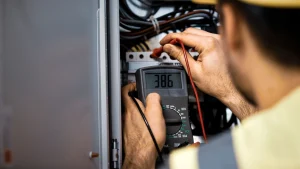
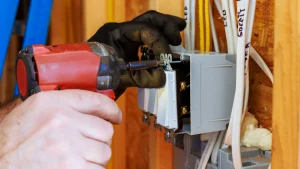
At NWA C&S Electric, we inspect wiring, outlets, panels, and appliances to find the cause of a short. Once the issue is located, we repair or replace the damaged components.
Our licensed electricians serve Springdale, Fayetteville, Rogers, Bentonville, and Bella Vista.
Conclusion
A short circuit happens when electricity takes the wrong path. This can cause breakers to trip, wires to overheat, and serious safety hazards.
If your breaker trips instantly or you notice signs of a short, contact NWA C&S Electric. We will find the problem and fix it safely.