Why Dimming Lights Get Your Attention
Most homeowners notice dimming lights when an appliance like a microwave, washer, or air conditioner starts up. The lights may flicker briefly or dim more than usual.
A small dip once in a while is not always dangerous, but frequent or severe dimming is a sign your electrical system is struggling to keep up.
At NWA C&S Electric, this issue often shows up in homes that have never had electrical upgrades.
Appliances Pull a Lot of Power
Large appliances need a surge of power when they start. If the circuit they are on is shared with lights or other outlets, power gets pulled away from the lighting.
This causes the lights to dim while the appliance ramps up.
Modern homes usually have dedicated circuits to prevent this problem. Older homes often do not.
Overloaded Circuits Are a Common Cause
When too many devices run on the same circuit, the system cannot deliver power evenly.
This is common in kitchens, laundry rooms, and older homes with fewer circuits. Over time, overloaded circuits can lead to breaker trips or overheating.
Loose Wiring Can Make Dimming Worse
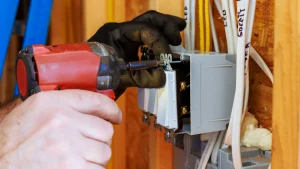
Loose connections inside outlets, switches, or panels can interrupt smooth power flow.
When appliances turn on, loose wiring causes sudden drops in voltage. This makes lights dim and can damage electronics.
Loose wiring is also a serious fire risk and should be inspected by a licensed electrician.
Electrical Panels May Be Undersized
Some homes still have panels that were designed decades ago. These panels were not built to handle modern electrical demand.
If your panel cannot distribute power properly, dimming lights become more frequent as more appliances are added.
Why Dimming Lights Should Not Be Ignored
Dimming lights are often an early warning sign. While the problem may start small, it can grow into larger issues like damaged wiring or failing breakers.
Ignoring the problem increases safety risks and can shorten the life of appliances.
Why DIY Fixes Are Not the Answer
Replacing bulbs or switching outlets may hide the symptom but does not fix the cause.
Electrical load issues require testing, circuit evaluation, and proper upgrades.
How NWA C&S Electric Solves the Problem
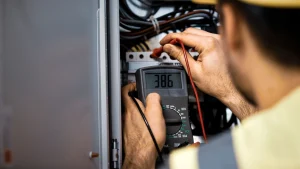
Our electricians inspect circuits, check panel capacity, test voltage levels, and tighten connections.
We recommend solutions that improve safety and performance, including circuit upgrades or panel replacements.
Conclusion
If your lights dim when appliances turn on, your electrical system is under strain. While it may seem minor, it can signal bigger problems.
Contact NWA C&S Electric to inspect your system and restore stable, safe power throughout your home.