What an Electrical Panel Does for Your Home
Your electrical panel is the control center for your entire home. It sends power from the utility company to every circuit that runs your lights, outlets, and appliances.
Each breaker inside the panel is designed to handle a specific amount of electricity. When everything is working correctly, power flows smoothly and safely. When the panel becomes overloaded, the system struggles to keep up with demand.
Many homeowners do not realize their panel is overloaded until problems start showing up.
What It Means When a Panel Is Overloaded
An overloaded panel happens when your home is using more electricity than the panel or its circuits suggests. This often occurs as homes add more devices over time.
Common causes include:
- Adding new appliances without upgrading circuits
- Running multiple high-power devices at once
- Older panels that were not built for modern power needs
- Too many breakers pulling power at the same time
When the panel is overloaded, breakers trip to protect the wiring. This is a warning sign, not an inconvenience.
Common Signs of an Overloaded Electrical Panel
Your home often gives clues when the panel is under stress. Watch for these warning signs:
- Breakers that trip often
- Lights that flicker or dim
- Buzzing sounds from the panel
- Warm panel cover or breakers
- Outlets that stop working
- A burning smell near the panel
These issues mean the system is working harder than it should. Ignoring them can lead to serious safety risks.
Why Overloaded Panels Are Dangerous
When a panel is overloaded, heat builds up inside the wiring and breakers. Too much heat can damage insulation and weaken connections.
Over time, this can lead to:
- Melted wires
- Electrical arcing
- Appliance damage
- Increased fire risk
Breakers are designed to protect your home, but they are not meant to trip constantly. Repeated tripping wears them out and reduces their ability to protect you.
Why This Happens in Older Homes
Many homes in Northwest Arkansas were built before today’s electrical demands existed. Older panels were designed for fewer appliances and less technology.
Modern homes use electricity for:
- Large televisions
- Computers and chargers
- Air fryers and microwaves
- HVAC systems
- EV chargers
Without upgrades, older panels struggle to keep up.
Why Power Strips Make the Problem Worse
Power strips do not reduce electrical demand. They spread it out. Plugging multiple devices into one outlet adds more strain to a single circuit.
This can overload the circuit even if the panel itself seems fine. Over time, this leads to overheated wires and damaged outlets.
How Electricians Fix an Overloaded Panel
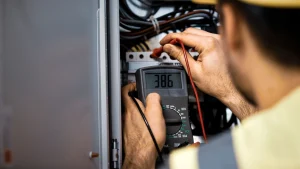
At NWA C&S Electric, we start by inspecting your panel and testing circuit loads. We look for circuits that are carrying too much power and signs of heat damage.
Solutions may include:
- Adding new dedicated circuits
- Rebalancing loads across breakers
- Upgrading the electrical panel
- Replacing worn or undersized breakers
These upgrades allow power to flow safely and evenly.
When a Panel Upgrade Is Needed
If your panel is more than 20 to 30 years old, or if you plan to remodel or add new appliances, an upgrade may be the safest option.
A modern panel improves safety, reduces nuisance trips, and prepares your home for future electrical needs.
Why Professional Help Matters
Electrical panels are not DIY projects. Working inside a live panel is dangerous and can cause serious injury.
At NWA C&S Electric, our licensed electricians serve Springdale, Fayetteville, Rogers, Bentonville, and Bella Vista. We make sure your panel meets current safety codes and supports your home properly.
Conclusion
An overloaded electrical panel puts your home at risk, even if everything seems to be working for now. Frequent breaker trips, flickering lights, and warm panels are all signs that your system needs attention.
If you suspect your panel is overloaded, contact NWA C&S Electric. We will inspect your system, explain your options clearly, and help keep your home safe and reliable.