Why Proper Ceiling Fan Wiring Matters
A ceiling fan is more than just a light fixture. It’s a moving electrical device that requires secure and balanced wiring. When installed incorrectly, it can lead to flickering lights, malfunctioning switches, or even shock hazards.
Many homeowners try to install ceiling fans themselves, assuming it’s as simple as replacing a light fixture. But because fans use more power and have moving parts, proper wiring and mounting are essential for safety and performance.
At NWA C&S Electric, we often get calls from homeowners who started a ceiling fan installation and ran into confusing wires, tripped breakers, or unexpected results. Knowing what can go wrong helps you understand why professional installation is often the best choice.
Mixing Up Fan and Light Wires
Most modern ceiling fans have separate wires for the fan motor and the light fixture. These are usually color-coded, but the colors don’t always match the wires in your ceiling.
For example:
- Black wire: usually powers the fan.
- Blue wire: usually powers the light.
- White wire: is the neutral wire.
- Green or bare wire: is the ground wire.
A common mistake is connecting both the black and blue wires from the fan to the same power source, which prevents you from controlling the light and fan separately. Another mistake is connecting wires of the wrong color, which can cause short circuits or reversed controls.
Forgetting to Turn Off Power Before Wiring
It might sound simple, but many DIY installers forget to turn off the breaker before starting. Even if a wall switch is off, there can still be live current running through the circuit.
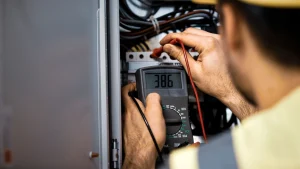
Working on live wires is extremely dangerous. It can cause shocks or short circuits that damage your electrical system. Always turn off power at the breaker panel and test the wires with a voltage tester before touching anything.
At NWA C&S Electric, our electricians always verify power is completely off before beginning work to ensure safety.
Using the Wrong Electrical Box
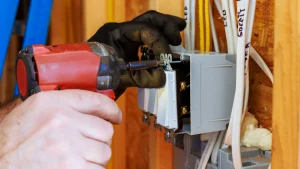
Ceiling fans weigh much more than standard light fixtures and create motion and vibration when spinning. Using a standard electrical box that isn’t rated for ceiling fans can lead to loose fittings, wobbling, or the fan falling from the ceiling.
The electrical box for a ceiling fan should be fan-rated and securely mounted to a ceiling joist or support brace. Using the wrong box is one of the most dangerous mistakes homeowners make when installing ceiling fans.
Not Grounding the Fan Properly
The ground wire protects you from electrical shock if a wire becomes loose or short-circuits. Unfortunately, many DIY installations skip grounding altogether or connect it incorrectly.
If the fan isn’t properly grounded, a short circuit could send electricity into the fan housing or mounting bracket. Anyone touching the fan could be shocked.
Always make sure the green or bare copper wire from the fan is securely connected to the grounding wire in your ceiling box or mounting bracket.
Loose or Poor Connections
Loose connections are another common issue. If wires are not tightly connected with proper wire nuts, they can create heat, arcing, and flickering lights. Over time, that can cause damage to your electrical system and increase the risk of a fire.
Our electricians at NWA C&S Electric use high-quality connectors and test every connection to make sure your fan operates safely and reliably.
Incorrect Switch or Remote Wiring
Modern ceiling fans often include remote controls or dual wall switches for independent fan and light operation. These systems require correct wiring to work properly.
Common mistakes include wiring both fan and light to a single switch, which makes it impossible to control them separately. Others incorrectly wire remote receivers, causing the fan to only work in one speed or the light to flicker.
If you’re upgrading an older ceiling fan to one with a remote or smart controller, it’s best to have an electrician wire it correctly to avoid compatibility issues.
Overloaded Circuits
Adding a new ceiling fan to an existing lighting circuit might seem simple, but if that circuit already supports multiple lights or outlets, it could become overloaded. Overloading a circuit can cause breakers to trip repeatedly or create overheating that damages wires.
Before installing a ceiling fan, check that your electrical circuit can handle the additional load. At NWA C&S Electric, we assess your home’s wiring and ensure circuits are balanced for safety and efficiency.
Ignoring Local Electrical Codes
Electrical codes exist to protect you, but DIY installers often ignore or are unaware of them. In Northwest Arkansas, as in most areas, GFCI protection, proper grounding, and the use of fan-rated boxes are required for safety and compliance.
Failing to follow these standards could cause a failed home inspection or even void your homeowner’s insurance in the event of an accident. A licensed electrician ensures every installation meets code and passes inspection the first time.
When to Call an Electrician
You should always hire a professional if:
- You’re unsure about the wiring connections.
- Your fan needs a new circuit or switch installed.
- The ceiling box is not fan-rated.
- You have aluminum wiring or an older home.
- The fan includes a smart controller or multiple switches.
At NWA C&S Electric, our team installs ceiling fans safely and efficiently, ensuring all wiring, grounding, and mounting are done to code. We also troubleshoot existing fans that don’t work properly, eliminating annoying issues like noise, flickering, or imbalance.
How Professional Installation Saves You Time and Money
A ceiling fan installed correctly should last for years without issue. Hiring an electrician ensures that your fan is safe, balanced, and wired correctly. It also prevents expensive mistakes that can lead to electrical damage or fire hazards.
Our licensed electricians handle every step, from removing old fixtures to testing the new fan’s operation. We leave every home safer than we found it.
Conclusion
The most common ceiling fan wiring mistakes include mixing up wires, skipping grounding, using the wrong box, and overloading circuits. While it’s tempting to install a ceiling fan yourself, electrical work is one area where a professional’s expertise makes all the difference.
If you’re planning to install a new ceiling fan or replace an old one, trust NWA C&S Electric. We provide expert ceiling fan installation across Springdale, Fayetteville, Rogers, Bentonville, and Bella Vista, ensuring your fan is safe, quiet, and long-lasting.
Call us today for a quote or to schedule your ceiling fan installation.